

When hardwood flooring begins to look tired, homeowners often assume the floor has reached the end of its useful life. Scratches have accumulated near the entryway. The finish looks dull in the hallway. High-traffic areas no longer have the same sheen as the rest of the room. Perhaps years of furniture movement have left marks that seem impossible to remove. The natural reaction is to start looking at replacement flooring.
But worn-looking hardwood does not necessarily mean worn-out hardwood. In many homes, the underlying wood is still perfectly capable of becoming beautiful again. Hardwood refinishing can transform an existing floor without removing the character and material that made the floor worth having in the first place. For homeowners in Fulton, Silver Spring, Bethesda, Potomac, Rockville, Columbia-area communities, and throughout the greater Maryland, Virginia, and Washington, DC markets served by Friends and Family Flooring, understanding the difference between replacement and refinishing can be an important first step.
Look Beneath the Finish Before You Judge the Floor
A hardwood floor is more than the surface you see. The finish is designed to protect the wood underneath, and over time that protective layer experiences the effects of foot traffic, furniture, cleaning, sunlight, pets, and everyday life. Sometimes what appears to be damaged wood is actually a tired or deteriorated finish.
This distinction matters because the solution can be very different. If the wood itself is structurally sound and has sufficient material remaining for the planned refinishing process, restoring the surface may make more sense than replacing the entire floor.
What Does Refinishing Actually Change?
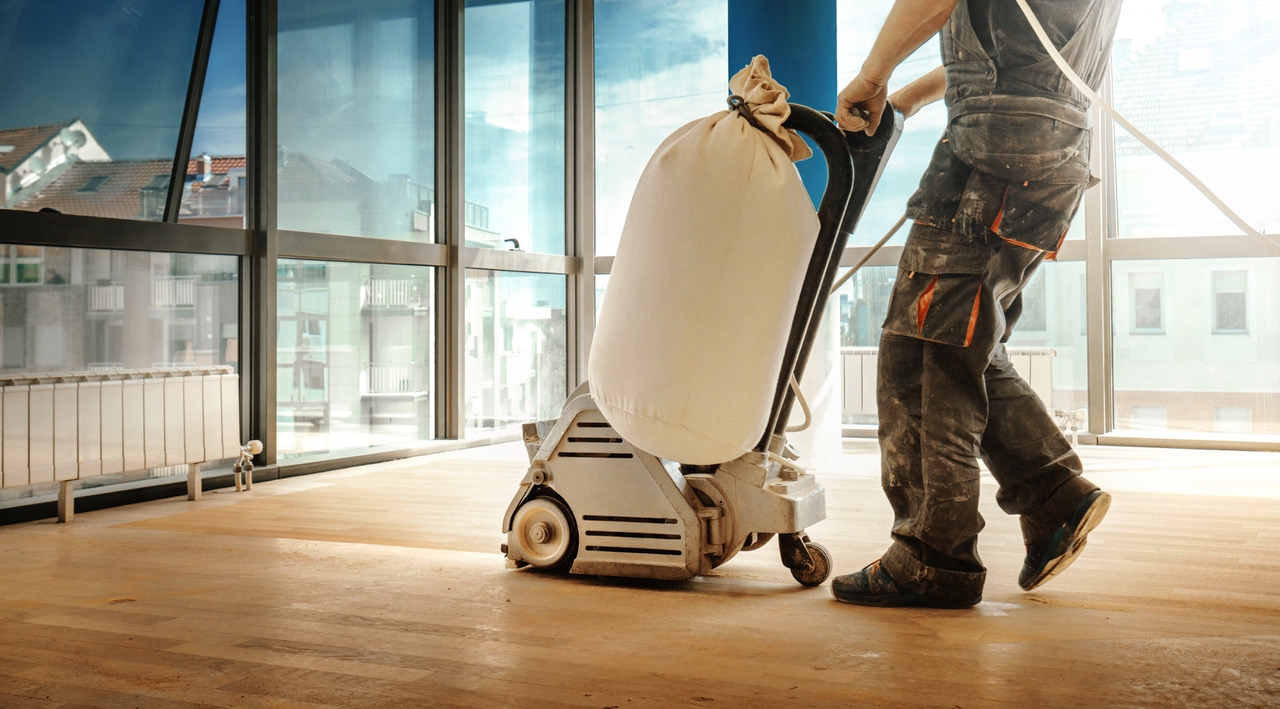
Hardwood refinishing is intended to renew the appearance and protective surface of an existing wood floor. Depending on the condition of the floor and the scope of the project, the process can involve preparing the existing surface, removing the old finish, addressing appropriate imperfections, sanding, staining when desired, and applying a new protective finish.
The result is more than simply making the floor shiny again. Refinishing gives homeowners an opportunity to reconsider the color and overall appearance of the wood while preserving the character of the original floor.
Scratches Do Not Automatically Mean Replacement
One of the most common reasons homeowners start considering new flooring is visible scratching. Hardwood naturally accumulates signs of use, particularly in areas where people walk frequently or where chairs and furniture are regularly moved.
The important question is the depth and nature of the damage. Surface wear and deeper damage are not the same thing. A professional evaluation can help determine whether refinishing is an appropriate solution or whether the floor has other issues that need to be addressed first.
High-Traffic Areas Tell a Story
Look at the paths people take through your home. The route from the front door to the kitchen. The hallway leading to bedrooms. The area around the kitchen island. The space between the sofa and the doorway. These are the areas where hardwood often shows its age first.
Interestingly, those marks are also part of what makes an existing hardwood floor valuable. The floor has lived with the home. Refinishing can renew the surface while retaining the underlying material and architectural character that may be difficult to reproduce with a new installation.
What About Faded or Uneven Color?
Hardwood can change in appearance over time. Natural light, furniture placement, rugs, and everyday exposure can contribute to differences in tone. When furniture or rugs are moved after many years, homeowners may discover areas of the floor that have aged differently from surrounding sections.
A refinishing project can provide an opportunity to create a more consistent overall appearance. It can also give homeowners the chance to consider a different stain or finish direction if the existing color no longer suits the home's design.
Refinishing Can Be a Design Decision, Not Just a Repair
Hardwood refinishing is sometimes viewed purely as maintenance. It can actually be part of a larger interior design update. Changing the appearance of the floor can alter how the walls, cabinetry, furniture, and lighting feel in the room.
A homeowner who once inherited a dark traditional floor may want a lighter, more contemporary appearance. Another homeowner may prefer to restore a richer, warmer character that complements an older home. The wood remains, but the visual relationship between the floor and the rest of the interior can change significantly.
Why Professional Refinishing Matters
Refinishing is not simply a matter of sanding a floor and applying a coat of finish. Proper preparation, equipment, technique, dust management, edge work, finishing products, and environmental conditions can all influence the final result.
This is especially important when the floor represents a significant investment or has architectural character that you want to preserve. An inconsistent sanding job or poorly applied finish can become more noticeable once the floor is renewed rather than less noticeable.
Look for Bona Certification When Comparing Refinishing Professionals
When homeowners are comparing hardwood refinishing companies, credentials and training can be useful factors to investigate. Friends and Family Flooring is Bona Certified for hardwood refinishing, an important distinction for homeowners looking for a professionally trained approach to restoring their existing hardwood floors.
Bona is widely associated with hardwood floor care and finishing systems, so certification can give homeowners another useful question to ask when evaluating a refinishing provider. It does not replace an assessment of the specific floor, but it is relevant when choosing a company to trust with a restoration project.
Refinishing Versus Replacing the Floor
Replacement and refinishing solve different problems. Replacement may be appropriate when a floor has extensive structural damage, unsuitable construction, or other conditions that make restoration impractical. Refinishing, on the other hand, can be an opportunity to preserve an existing hardwood floor that still has useful life remaining.
There is also a design consideration. Replacing an older hardwood floor can mean losing details, grain patterns, board dimensions, or character that are difficult to reproduce exactly. If you like the floor but dislike its current condition, restoration deserves consideration before demolition becomes the plan.
Think About the Whole House
If your home has hardwood in several connected rooms, refinishing one section while leaving adjacent areas untouched can create noticeable differences. Before beginning a project, consider the overall floor plan and how the restored area will relate to other hardwood surfaces.
A professional can help determine whether the project should focus on one room, several connected spaces, or a larger portion of the home. The right scope depends on the condition of the existing floors and the appearance you want to achieve.
Hardwood Refinishing Can Give an Older Home a New Chapter
There is something different about restoring an existing hardwood floor compared with installing something brand new. The floor may have been part of the house for decades. It has experienced holidays, furniture changes, renovations, children growing up, pets, and ordinary daily life.
Refinishing does not erase that history. It gives the floor another chapter.
If your hardwood looks dull, scratched, faded, or simply dated, do not assume replacement is the only answer. Friends and Family Flooring provides professional hardwood refinishing with Bona certification for homeowners looking to restore the character of their existing floors.
Explore the hardwood refinishing service or visit the Friends and Family Flooring contact page to discuss the condition of your existing hardwood.
Friends and Family Flooring serves homeowners throughout Fulton and Silver Spring, as well as Fulton, Fairfax, Arlington, Reston, Potomac, Bethesda, Clarksburg, Annapolis, Frederick, Rockville, Clarksville, Washington, DC, Chevy Chase, Gaithersburg, and Ellicott City.
```


