

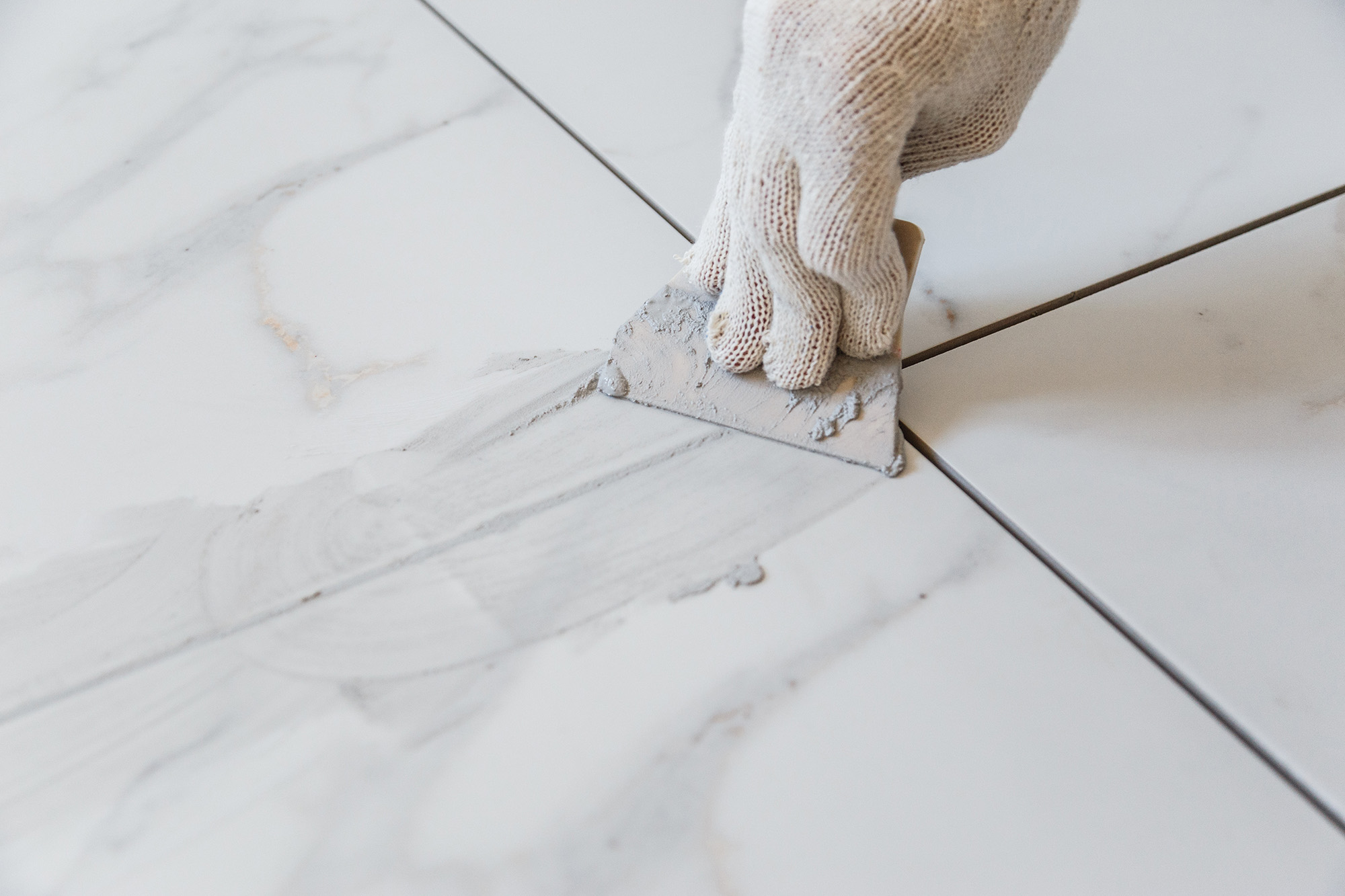
When selecting tile for a kitchen or bathroom, homeowners often spend considerable time comparing colors, sizes, and surface finishes. Grout may seem like a small detail by comparison, but it can significantly change the appearance of the finished floor. The same tile can look soft and seamless with a closely matched grout color or bold and geometric when paired with a contrasting shade.
For homeowners in Bradenton, Florida, choosing grout also involves practical considerations. Kitchens and bathrooms encounter spills, splashes, cleaning products, and everyday foot traffic, so the grout must suit both the tile and the way the room is used. Understanding how color, joint width, grout type, and maintenance work together can help you create a floor that looks intentional and remains manageable over time.
Understand How Grout Changes the Appearance of Tile
Grout fills the joints between tiles, helping complete the installation and contributing to the overall appearance of the floor. Because the joints form a visible pattern across the surface, grout color can influence whether the tiles appear as individual shapes or as a more continuous field.
A grout color close to the tile's main shade tends to reduce contrast between the pieces. This can make the floor feel calmer and allow the tile's surface, texture, or natural-looking variation to stand out. A contrasting grout color makes the joints more visible and can emphasize the tile's shape and layout.
Neither approach is automatically better. A subtle combination may suit a room with patterned cabinetry, expressive countertops, or decorative wall finishes. A contrasting combination may work well when the tile pattern is intended to be a defining feature.
Before choosing, consider the entire room rather than the tile alone. Grout becomes part of the visual relationship between the floor, walls, fixtures, cabinetry, and lighting.
Choose a Closely Matched Grout for a Seamless Look
Grout that closely matches the tile can create a more unified appearance, especially when the tile has a restrained color and a simple layout. This approach can work well with larger tiles because it reduces the visual emphasis on the joints and allows the floor to read as a broader surface.
For example, beige tile paired with a similar beige grout can create a warm, continuous effect. A light gray tile with a compatible gray grout can produce a restrained contemporary look. The objective is not necessarily to find an exact match but to select a color that supports the overall appearance.
Tile colors often contain undertones that become more noticeable when grout is placed beside them. A warm white tile may look different next to a cool gray grout than it does beside a softer warm gray. Compare samples together before making the final decision.
Remember that grout color can appear different when applied across a large area. Lighting, joint width, tile variation, and the final grout finish all affect the result. A sample board or small mock-up can help you visualize the combination more accurately.
Use Contrasting Grout to Highlight a Tile Pattern
Contrasting grout makes the outline of each tile more prominent. This can be effective when the tile has a distinctive shape, such as a hexagon, a narrow rectangle, or another geometric format. The grout emphasizes the pattern and gives the floor a more graphic appearance.
For a classic rectangular tile layout, a contrasting grout may highlight the direction of the pattern. With hexagonal tile, it can reinforce the geometry and make the individual shapes more apparent. This can be useful when the tile layout is intended to contribute strongly to the room's design.
However, a strong contrast also draws attention to grout joints. If the installation includes irregular spacing or noticeable variations, the contrast may make those details more visible. Careful layout and professional installation become especially important when the joints are a major part of the design.
Consider how the floor will look when combined with other patterned surfaces. If the backsplash, countertop, or wall tile already creates a strong visual statement, a quieter grout color may help maintain balance.
Think About Cleaning and Everyday Use
Grout color affects how easily everyday dirt and discoloration may be noticed. Very light grout can show certain stains and residue, particularly in areas exposed to food, spills, or frequent use. Very dark grout may make pale mineral deposits, soap residue, or dust more noticeable in some settings.
Medium grout colors may offer a useful balance for busy rooms, but there is no single shade that hides every type of mark. The result depends on the tile, grout formulation, lighting, and what accumulates on the floor.
For kitchen floors, consider the areas around cooking surfaces, sinks, and dining spaces. Grease, food residue, and tracked-in dirt can affect grout over time, so a color that suits the household's cleaning routine may be more practical than one chosen only for appearance.
In bathrooms, consider the areas around showers, tubs, and vanities. Soap residue and mineral deposits may appear differently depending on the water and cleaning routine. Choose a grout and maintenance method suited to the room's conditions rather than assuming color alone will prevent staining.
Understand the Difference Between Grout Types
Grout is not a single universal product. Different formulations are designed for different joint widths, tile types, and installation conditions. The appropriate grout depends on the tile manufacturer's instructions, the selected installation system, and the requirements of the room.
Cement-based grouts are commonly used in tile installations and are available in different formulations. Depending on the product, they may require particular mixing, curing, sealing, or maintenance procedures. Follow the manufacturer's instructions rather than assuming all cement-based grout behaves the same way.
Other grout products may offer different performance characteristics or cleaning requirements. Their suitability depends on the tile, joint dimensions, and installation environment. The flooring professional should confirm that the grout is compatible with the selected materials.
Do not choose a grout solely because its color is attractive. The product must be appropriate for the tile and application, and it must be installed according to the manufacturer's requirements.
Match the Grout to the Tile Material
Tile materials can vary in texture, porosity, edge profile, and surface finish. These differences affect how grout should be selected and installed. A smooth, uniform tile may create a different result from a natural stone-look tile with textured edges or substantial color variation.
Some tile surfaces can be more vulnerable to scratching, staining, or grout haze during installation. The installer should determine whether special precautions or a particular grout formulation are needed. Follow the tile manufacturer's recommendations for installation and cleaning.
Natural stone and certain specialty tiles may require additional care. Before installation, confirm whether the tile needs sealing or other preparation and whether the grout is appropriate for its surface. Improper installation or cleaning can leave residue that is difficult to remove.
For porcelain and ceramic tiles, the correct grout still depends on the tile's dimensions, joint requirements, and the manufacturer's instructions. Do not assume that a grout suitable for one tile format is automatically suitable for another.
Consider Joint Width and Tile Layout
Grout color and joint width work together to shape the finished appearance. Narrow joints with a closely matched grout can create a relatively continuous surface, while wider joints or contrasting colors make the pattern more prominent.
The appropriate joint width should be determined by the tile manufacturer's recommendations, tile dimensions, edge characteristics, and installation requirements. It should not be chosen solely for visual effect. Some tile products require specific joint dimensions to accommodate variation in size or shape.
The layout also affects how the grout pattern appears. Straight layouts can emphasize clean lines, while offset or diagonal arrangements create different visual rhythms. Decorative patterns may require additional planning to keep the joints consistent and the layout balanced.
Before installation, ask to review the proposed tile layout and grout color together. This is particularly helpful when the joints are intended to create a strong contrast, because the pattern will be a major feature of the finished floor.
Coordinate Grout With Cabinets, Countertops, and Fixtures
In kitchens, grout color should work with the cabinetry, countertops, backsplash, and appliances. If the room includes several strong colors or patterns, a grout shade that blends with the tile can help reduce visual competition. If the surrounding finishes are simple, a more defined tile pattern may add interest.
Bathrooms offer similar opportunities. Grout can complement vanity finishes, shower tile, wall color, and plumbing fixtures. A coordinated palette can make different materials feel connected without requiring every surface to match exactly.
Consider how the grout will appear under the room's lighting. Bright task lighting may emphasize contrast, while softer lighting can make colors appear more subdued. Natural light and artificial fixtures may also change how warm or cool a shade looks.
Take samples into the room when possible and compare them alongside the larger finishes. This helps avoid choosing grout based on a small display that does not reflect the actual lighting or surrounding colors.
Do Not Forget Grout Maintenance
Even a carefully chosen grout color requires regular care. Sweep or vacuum loose dirt before cleaning, and use a cleaner approved for the grout and tile. Avoid products that could damage the surface or interfere with any required sealer.
Clean spills promptly, especially in kitchens. In bathrooms, follow the manufacturer's recommendations for cleaning and ventilation. Allowing residue to accumulate can make the grout look different from its original color and may require more intensive cleaning.
Some grout products may benefit from sealing, while others have different maintenance requirements. Confirm the specific product's instructions before applying a sealer. Using an incompatible product or applying it at the wrong stage can affect the result.
If grout begins to crack, crumble, or separate, investigate the cause. Movement in the substrate, installation issues, or other conditions may need to be addressed before repairs are made. Replacing the visible grout without resolving the underlying issue may not provide a lasting solution.
Test Before Committing to a Grout Color
When possible, compare grout samples beside the actual tile rather than relying on color charts alone. A small difference in undertone can change the overall effect, especially when the joints form a repeating pattern across the room.
Look at the combination under the lighting that will be used in the finished space. If the tile has natural-looking variation, compare grout with several different areas of the tile so the color works with the overall range rather than only one section.
Consider how the floor will look from the doorway and from the room's main viewing positions. The grout pattern may appear more prominent from a distance than it does when viewed close up.
Explore Tile Flooring With Georgia Carpet and Floors
The right grout color can make tile feel seamless, emphasize a geometric layout, or create a deliberate contrast that complements the rest of the room. By considering cleaning needs, tile material, joint width, lighting, and surrounding finishes, you can select a combination that suits both your design preferences and daily routine.
Georgia Carpet and Floors helps homeowners in Bradenton, FL, explore tile options for kitchens, bathrooms, and other spaces. Browse the tile flooring collection and consider how grout can shape your finished design. To discuss your project, contact Georgia Carpet and Floors.


